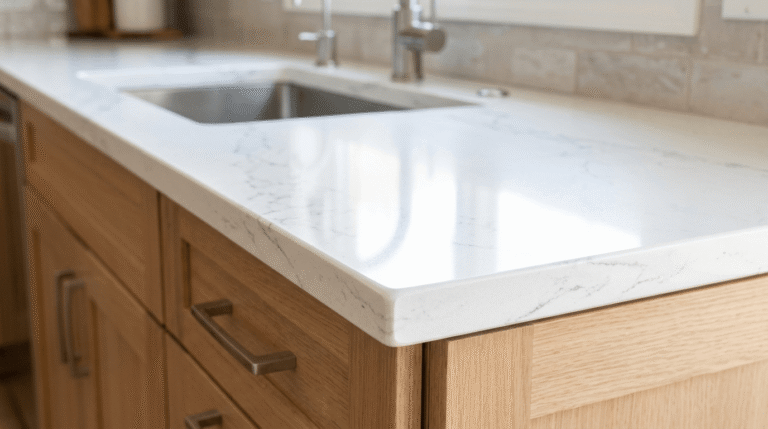
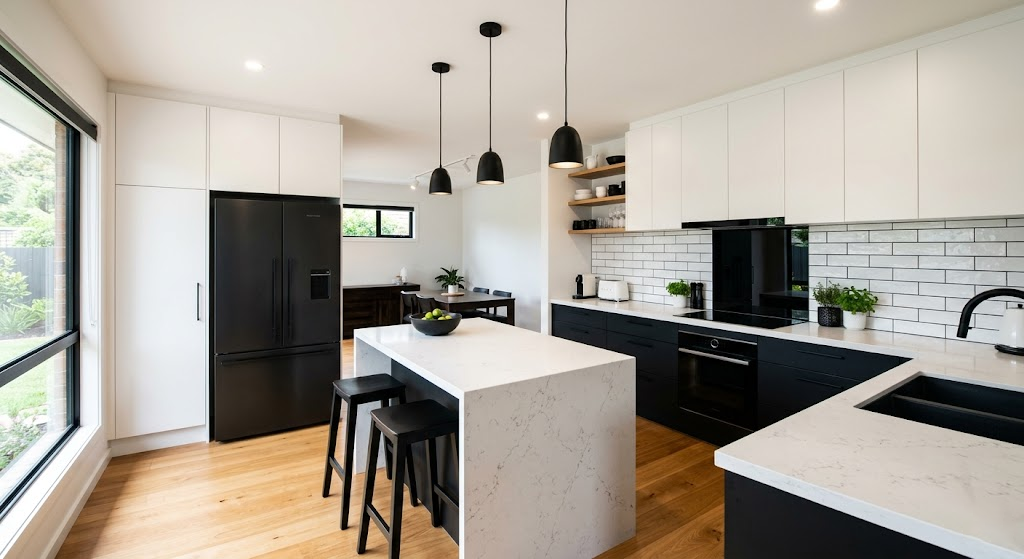
A kitchen remodel can increase home value when the remodel improves function, buyer appeal, and market fit without overspending. Kitchen remodel ROI depends on remodel size, project cost, location, labor pricing, material choices, local buyer demand, and neighborhood price expectations. Minor kitchen remodels often produce stronger percentage returns than major or luxury kitchen remodels because the project cost stays lower while the kitchen receives visible upgrades.
According to the 2025 JLC Cost vs. Value Report, a minor midrange kitchen remodel has a national average job cost of $28,458, resale value of $32,141, and cost recouped of 113%. A major midrange kitchen remodel has a national average job cost of $82,793, resale value of $42,130, and cost recouped of 51%. An upscale major kitchen remodel has a national average job cost of $164,104, resale value of $58,561, and cost recouped of 36%.
What Does Kitchen Remodel ROI Mean?
Kitchen remodel ROI means the percentage of remodeling cost recovered through increased resale value. The basic formula is:
Kitchen remodel ROI = added home value ÷ remodel cost × 100
For example, a kitchen remodel that costs $30,000 and adds $24,000 in estimated resale value has an ROI of 80%. The homeowner recovers 80 cents of resale value for every $1 spent. Kitchen remodel ROI is not the same as profit because remodeling also creates daily use value, storage value, layout value, and buyer perception value.
Does a Kitchen Remodel Increase Home Value?
A kitchen remodel increases home value when the updated kitchen improves usability, visual condition, storage, lighting, appliance function, and buyer confidence. Updated kitchens matter because buyers evaluate the kitchen as a high-use room, a visible condition signal, and a major future expense.
The value increase is not always dollar-for-dollar. A $75,000 kitchen remodel does not automatically add $75,000 to resale value. The strongest value gains usually come from practical updates that make the kitchen clean, functional, neutral, and comparable with nearby homes.
Average ROI of a Kitchen Remodel
The average ROI of a kitchen remodel changes by project scope. According to 2025 national averages from JLC, the kitchen remodel ROI range moves from 113% for minor midrange remodels to 51% for major midrange remodels and 36% for upscale major remodels. The report compares average project cost with resale value retained across U.S. markets.
| Kitchen Remodel Type | Average Job Cost | Average Resale Value | Cost Recouped |
|---|---|---|---|
| Minor Kitchen Remodel, Midrange | $28,458 | $32,141 | 113% |
| Major Kitchen Remodel, Midrange | $82,793 | $42,130 | 51% |
| Major Kitchen Remodel, Upscale | $164,104 | $58,561 | 36% |
Minor remodels perform well because cabinet surfaces, counters, hardware, appliances, lighting, and paint change buyer perception without requiring full demolition. Major remodels cost more because layout changes, full cabinet replacement, plumbing, electrical work, flooring, and premium materials increase the project base.
Minor Kitchen Remodel ROI
A minor kitchen remodel delivers strong ROI because surface-level upgrades improve buyer appeal while limiting total cost. A minor remodel can include cabinet refacing, new cabinet hardware, updated countertops, sink replacement, faucet replacement, appliance upgrades, lighting updates, backsplash installation, flooring repair, and interior paint.
A minor remodel works best when the kitchen layout already functions. Cabinet boxes stay in place. Plumbing walls stay in place. Electrical changes stay limited. These cost controls protect ROI because the project budget stays connected to visible value.
Major Kitchen Remodel ROI
A major kitchen remodel has lower percentage ROI because the project cost rises faster than resale value. A major kitchen remodel can include full cabinet replacement, layout changes, new flooring, new countertops, new appliances, plumbing relocation, electrical upgrades, island installation, wall changes, and permit-related work.
Major remodels improve function and buyer appeal when an old kitchen has poor storage, worn cabinets, damaged surfaces, weak lighting, or an inefficient layout. Major remodel ROI decreases when the total spend exceeds local comparable sales, buyer expectations, or the home’s price range.
Upscale Kitchen Remodel ROI
An upscale kitchen remodel has the lowest percentage ROI because luxury finishes create high project cost and narrower buyer preference. Upscale kitchens can include custom cabinetry, premium stone countertops, commercial-grade appliances, structural changes, imported tile, integrated lighting systems, specialty storage, and designer fixtures.
Upscale remodeling can improve homeowner enjoyment and design quality. Upscale remodeling does not always return proportionally at resale because buyers may not assign full value to personal finish choices, rare materials, or professional-grade appliances.
Kitchen Remodel ROI by Project Type
Kitchen remodel ROI changes by upgrade type because each project affects cost, visibility, buyer appeal, and function differently.
| Project Type | Likely ROI Impact | Buyer Appeal | Reason |
|---|---|---|---|
| Cabinet refacing | High | High | Updates the largest visible kitchen surface without full cabinet replacement. |
| Cabinet replacement | Medium | High | Improves storage and structure but increases labor and material cost. |
| Countertop upgrade | High | High | Changes the main work surface and visual quality of the kitchen. |
| Appliance upgrade | Medium | High | Improves function and energy perception, especially with matching appliances. |
| Lighting upgrade | High | Medium to high | Improves task use, room brightness, and buyer perception at controlled cost. |
| Backsplash installation | Medium | Medium | Adds visual finish but rarely solves function issues. |
| Flooring replacement | Medium | Medium to high | Improves condition and continuity with nearby rooms. |
| Layout change | Low to medium | High | Improves function but often requires plumbing, electrical, and structural cost. |
Cabinet refacing, countertops, lighting, and paint usually create strong visible change per dollar. Layout changes create higher lifestyle value when the kitchen has a true function problem.
Kitchen Remodel Costs That Affect ROI
Kitchen remodel costs affect ROI because every added cost must create buyer-visible value or homeowner-use value. The main cost drivers are kitchen size, cabinet quantity, countertop material, appliance level, labor rates, plumbing changes, electrical changes, flooring area, permits, demolition, structural work, and regional pricing.
A kitchen remodel in a high-cost labor market has a different ROI profile than the same remodel in a lower-cost market. A 200-square-foot kitchen with custom cabinets and stone counters has a different cost base than a 120-square-foot kitchen with cabinet refacing and laminate counters.
What Kitchen Upgrades Add the Most Home Value?
The kitchen upgrades that add the most home value are visible, functional, neutral, and durable upgrades. High-value kitchen upgrades include:
- Modern cabinets: Clean cabinet fronts improve the largest visual surface in the kitchen.
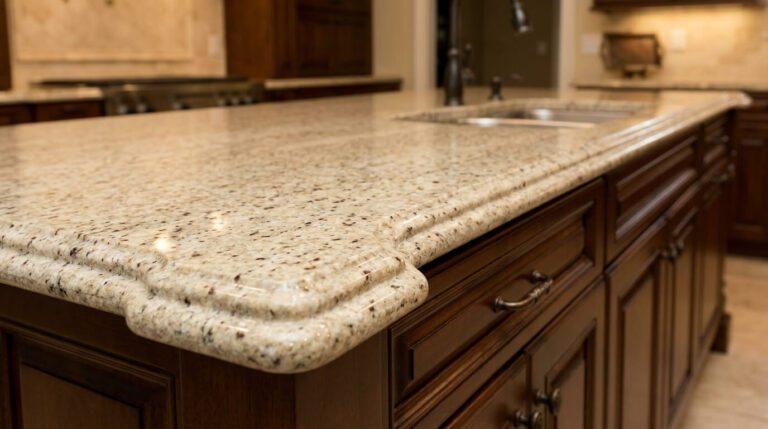
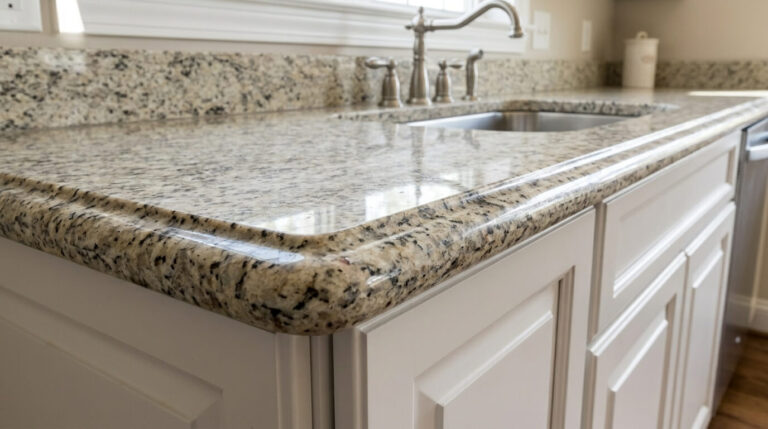
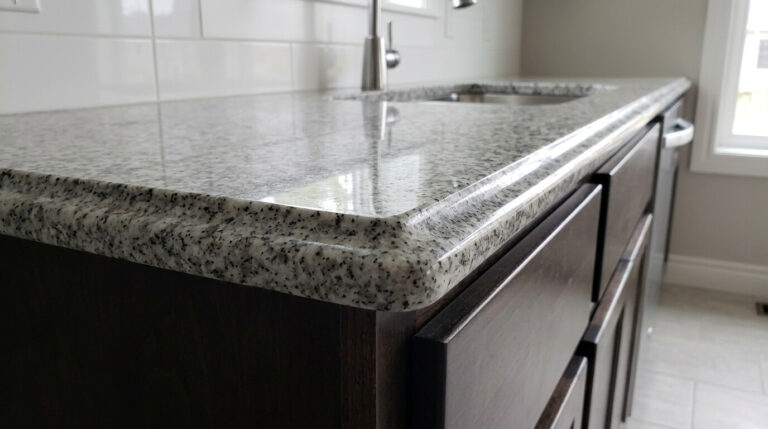
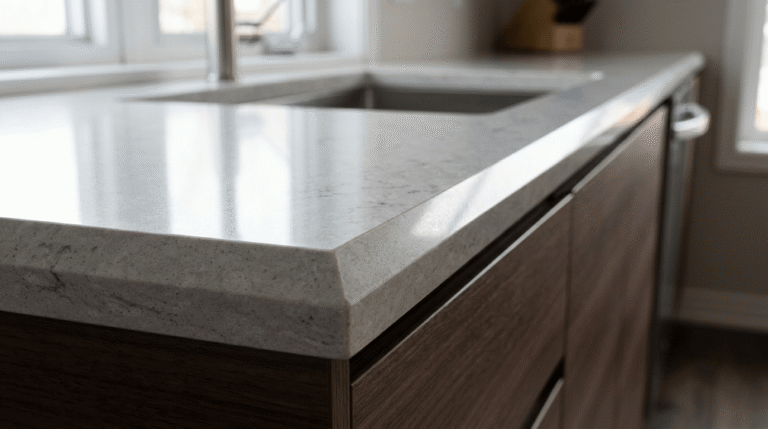
- Neutral countertops: Quartz, granite, solid surface, and durable laminate improve work surfaces and buyer appeal.
- Functional storage: Pull-out shelves, pantry organization, drawer dividers, and waste pullouts improve daily use.
- Energy-efficient appliances: Matching appliances improve function and perceived maintenance quality.
- Layered lighting: Ceiling lights, task lights, and under-cabinet lights improve cooking visibility.
- Durable flooring: Tile, luxury vinyl plank, engineered wood, and refinished hardwood improve wear resistance.
- Fresh paint: Neutral paint improves cleanliness, brightness, and broad buyer acceptance.
These upgrades work because buyers can see condition, function, and finish quality during a showing.
What Kitchen Upgrades Have Lower ROI?
Kitchen upgrades have lower ROI when the cost is high, the design is too personal, or the improvement does not match the home’s market position. Lower-ROI kitchen upgrades include ultra-luxury appliances, rare stone colors, highly trendy cabinet colors, ornate custom features, unnecessary layout changes, removed storage, oversized islands, and finishes that conflict with the rest of the home.
A kitchen remodel can hurt resale value when the design narrows buyer demand. Bright custom colors, unusual fixtures, fragile materials, and style-specific finishes can reduce buyer acceptance.
How Location Impacts Kitchen Remodel ROI
Location impacts kitchen remodel ROI because home values, labor costs, material pricing, buyer expectations, and comparable sales vary by market. A kitchen remodel in a high-demand neighborhood can support higher resale value than the same remodel in a slow market.
JLC reports national averages across U.S. markets, but the same report shows that regional returns vary. Zillow’s 2025 summary notes that minor kitchen remodel ROI can vary by region, with the Pacific region showing higher minor-remodel returns than several other regions.
National data gives a benchmark. Local comparable sales give the resale boundary.
Should You Remodel Your Kitchen Before Selling?
Remodel a kitchen before selling when the kitchen is dated, damaged, poorly lit, visibly worn, or weaker than comparable listings. Light updates usually make more financial sense than full renovations before listing.
A pre-sale kitchen update can include paint, cabinet hardware, cabinet refacing, countertop replacement, appliance matching, lighting repair, faucet replacement, and deep cleaning. A full gut renovation before selling carries more risk because the seller pays the full cost while the buyer controls the final resale reaction.
Kitchen Remodel ROI vs. Enjoyment Value
Kitchen remodel ROI measures resale value, but kitchen remodel enjoyment value measures daily comfort, storage improvement, cooking function, traffic flow, lighting quality, energy use, and homeowner satisfaction. A remodel can be worth doing even when resale ROI is below 100%, if the homeowner plans to use the kitchen for several years.
Financial ROI matters most for sellers. Enjoyment value matters most for homeowners staying in the home. A kitchen with better storage, safer flooring, brighter task lighting, and reliable appliances creates daily practical value that does not appear fully in resale percentages.
How to Maximize ROI on a Kitchen Remodel
Maximize kitchen remodel ROI by controlling cost, improving visible condition, and matching the home’s market level.
- Set a resale-based budget: Use local comparable homes to define a spending range.
- Avoid over-improving: Keep finishes aligned with neighborhood price expectations.
- Keep the existing layout: Avoid plumbing and electrical relocation when the current layout works.
- Choose timeless finishes: Use neutral cabinets, durable counters, simple hardware, and broad-appeal flooring.
- Prioritize visible upgrades: Improve cabinets, counters, lighting, paint, sink, faucet, and appliances first.
- Compare contractor bids: Review labor scope, material allowances, permit handling, and timeline.
- Repair before decorating: Fix leaks, electrical problems, damaged cabinets, worn flooring, and ventilation issues before cosmetic changes.
ROI improves when the remodel solves real kitchen problems without adding unnecessary cost.
How Much Should You Spend on a Kitchen Remodel?
Spend on a kitchen remodel based on home value, resale timeline, kitchen condition, neighborhood standards, and local comparable sales. A kitchen remodel budget becomes risky when it prices the home above nearby comparable properties.
A seller with a short timeline usually benefits from a smaller update budget. A homeowner staying for 5 to 10 years can justify a larger budget because the remodel produces daily use value before resale.
Kitchen Remodel ROI Example
A kitchen remodel ROI example shows how budget size changes return.
Example 1: A minor kitchen remodel costs $25,000 and adds $22,500 in resale value.
$22,500 ÷ $25,000 × 100 = 90% ROI
Example 2: A major kitchen remodel costs $80,000 and adds $44,000 in resale value.
$44,000 ÷ $80,000 × 100 = 55% ROI
The first project recovers a higher percentage because the cost is controlled. The second project may create more comfort and function, but the higher budget lowers resale percentage.
Is a Kitchen Remodel Worth It?
A kitchen remodel is worth it when the remodel improves function, buyer appeal, condition, and market fit without overspending. A kitchen remodel is less likely to be worth it when the upgrades are too personal, too expensive, unnecessary, or inconsistent with nearby homes.
For resale, minor and midrange updates usually create a better risk profile. For long-term ownership, a larger remodel can be worth it when the kitchen layout, storage, lighting, and appliance function affect daily life.
Final Thoughts: Does a Kitchen Remodel Really Increase Home Value?
A kitchen remodel can increase home value, but the best ROI usually comes from practical, midrange, buyer-friendly improvements rather than the most expensive renovation. Minor kitchen remodels often perform well because cabinets, counters, appliances, lighting, hardware, and paint improve the kitchen’s visible condition without the cost of a full rebuild.
The strongest kitchen remodel ROI comes from controlled spending, local market alignment, neutral finishes, functional storage, and visible quality.
FAQs About Kitchen Remodel ROI
What is a good ROI for a kitchen remodel?
A good kitchen remodel ROI is 50% to 100%+, depending on scope and market. Minor remodels can outperform major remodels because cost stays lower while visible buyer appeal improves.
Is a minor kitchen remodel better than a major remodel?
A minor kitchen remodel is often better for ROI because surface updates cost less and improve buyer perception faster. Major remodels can improve function but often recover a lower percentage at resale.
What adds the most value in a kitchen remodel?
Cabinets, countertops, lighting, appliances, layout function, storage, durable flooring, and neutral design add the most value because buyers connect these features with condition, usability, and future maintenance cost.
Can a kitchen remodel hurt resale value?
A kitchen remodel can hurt resale value when the design is overbuilt, too personalized, poor quality, or mismatched with the home’s price range. Buyer-neutral finishes protect resale appeal.
Should I remodel my kitchen or sell as-is?
Remodel before selling when the kitchen is damaged, dated, or weaker than comparable listings. Sell as-is when renovation cost exceeds likely resale gain or the market supports buyer-funded updates.