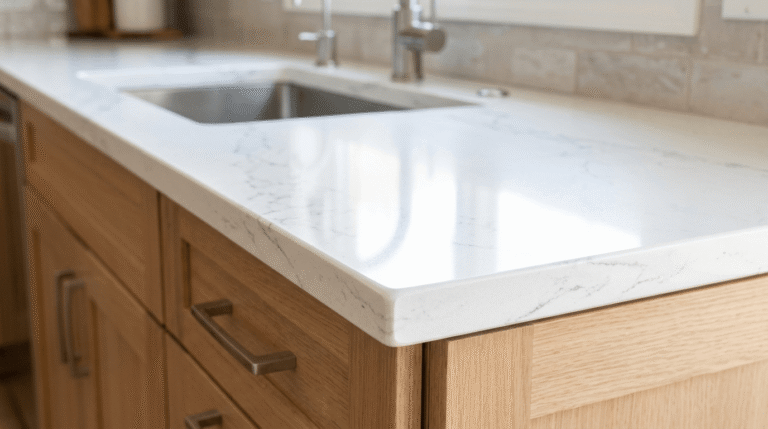

A kitchen remodel changes the layout, finishes, or function of an existing kitchen through a defined sequence of planning, design, and construction stages. Successful planning starts with a clear goal, a realistic budget, and a layout that matches how the household uses the space.
Kitchen remodel planning covers several interconnected decisions: the scope of work, the budget, the layout, permitting requirements, and the construction sequence. Each decision affects the ones that follow. A budget set before the scope is defined often leads to mid-project changes, and a layout chosen before permitting requirements are known can require redesign.
This guide walks through kitchen remodel planning in the order homeowners typically need it: defining the project, setting a budget, planning the layout, understanding permits, following the construction process, preparing the home, deciding between DIY and professional work, and estimating the timeline. Each section addresses one planning decision so the guide can be used as a reference at any stage of the project.
The sections below apply to kitchen remodels of any size, from cosmetic updates to full gut renovations, and note where the scope of the project changes the requirements.
What Does Kitchen Remodel Planning Include?
Kitchen remodel planning includes setting goals, choosing a style, defining the scope of work, establishing a budget, and designing a layout before construction begins. These five steps determine the materials, contractors, permits, and schedule required for the project.
Planning happens before any demolition or ordering of materials. It establishes the decisions that guide every later stage: what the kitchen needs to do, what it should look like, how much of the existing kitchen will change, how much the project will cost, and how the space will be arranged. Skipping a planning step typically causes delays or added costs once construction starts, because contractors and suppliers require finalized decisions before ordering materials or scheduling labor.
Setting Your Goals and Priorities
Setting goals and priorities means identifying the specific problems the remodel must solve and ranking them by importance before choosing materials or layouts. Common goals include increasing storage, improving workflow between the sink, stove, and refrigerator, adding seating, updating outdated finishes, or increasing the home’s resale value.
Priorities determine where the budget goes when trade-offs are necessary. A household that cooks daily may prioritize counter space and appliance quality over decorative finishes. A household preparing to sell the home may prioritize updated cabinetry and flooring that appeal to a broad range of buyers. Ranking goals before design work begins prevents the budget from being spent on lower-priority items first.
Choosing Your Kitchen Style
Choosing a kitchen style means selecting the overall design direction — such as modern, farmhouse, traditional, or transitional — that will guide cabinet, countertop, and finish selections. The style acts as a filter for every later material decision, from cabinet door profiles to hardware finishes.
A defined style narrows the range of products a homeowner needs to evaluate and keeps the finished kitchen visually consistent. Style decisions also interact with the home’s existing architecture; a kitchen style that matches the home’s construction period or adjoining rooms typically requires fewer structural or trim adjustments than a style that contrasts with it.
Defining Your Scope (Cosmetic Refresh vs. Full Gut Renovation)
Defining the scope means deciding whether the project will update existing finishes without moving structural or mechanical elements (a cosmetic refresh) or remove the kitchen to the studs and reconfigure the layout, plumbing, and electrical systems (a full gut renovation). Scope determines the budget range, permit requirements, and project timeline.
A cosmetic refresh typically includes repainting or refacing cabinets, replacing countertops, updating the backsplash, and installing new appliances within the existing footprint. A full gut renovation removes cabinets, flooring, and sometimes walls, and relocates plumbing or electrical lines to support a new layout. Scope should be defined before budgeting, since material and labor costs differ significantly between the two approaches.
How Much Should You Budget for a Kitchen Remodel?
Kitchen remodel budgets should be based on the project scope, with cosmetic refreshes costing less than full gut renovations, and the total set before design work begins to guide material and layout choices. Budget categories typically include cabinetry, countertops, appliances, flooring, labor, and a contingency reserve for unexpected issues.
Cabinetry and countertops generally represent the largest share of a kitchen remodel budget, followed by appliances and labor. A contingency reserve of 10% to 20% of the total budget covers issues such as outdated wiring, water damage, or structural problems discovered after demolition, which are common in older homes. Setting the budget by category, rather than as a single lump sum, makes it easier to identify where costs can be adjusted if a category runs over.
Homeowners should obtain quotes from contractors and suppliers before finalizing the budget, since regional labor rates and material costs vary. A budget confirmed by actual quotes reduces the likelihood of a mid-project shortfall.
How to Plan Your New Kitchen Layout?
Planning a new kitchen layout means arranging the sink, stove, refrigerator, and storage to match the room’s dimensions, plumbing and electrical locations, and the household’s cooking habits. The layout should be finalized before ordering cabinets or scheduling rough-in work, since cabinet dimensions and utility placement depend on it.
The layout plan should account for the distance between the sink, stove, and refrigerator, sometimes called the work triangle, as well as clearances for walkways, appliance doors, and cabinet doors. Existing plumbing and electrical locations affect layout cost: keeping the sink and stove near their current locations reduces the amount of rough-in work required, while relocating them increases labor and permit scope.
Choosing the Best Kitchen Layout
The best kitchen layout depends on the room’s dimensions, the number of people who use the kitchen at once, and whether the space is open to adjoining rooms. Common kitchen layout categories include:
- L-Shaped: Cabinets and countertops run along two adjoining walls, leaving the remaining space open for a table or island.
- U-Shaped: Cabinets and countertops run along three walls, providing continuous counter space and storage on all sides.
- Galley Kitchens: Cabinets and countertops run along two parallel walls with a walkway between them, suited to narrow spaces.
- Kitchen with Islands: A freestanding counter unit is placed in the center of the kitchen, adding workspace, storage, or seating separate from the perimeter cabinets.
Smaller or enclosed kitchens typically use L-shaped or galley layouts, since these configurations require less floor area. Larger or open-concept kitchens can accommodate U-shaped layouts or islands, which need additional clearance for walkways on multiple sides.
When Do You Need a Kitchen Remodel Permit?
A kitchen remodel permit is typically required when the project involves changes to plumbing, electrical wiring, gas lines, or load-bearing structures. Cosmetic updates such as repainting cabinets, replacing countertops without changing their footprint, or installing new appliances in existing locations generally do not require a permit.
Local building departments set specific permit requirements, so homeowners should confirm rules with their municipality before starting work. Projects that move a sink, stove, or dishwasher to a new location, add or relocate electrical circuits, or remove a wall between the kitchen and another room commonly require plumbing, electrical, and building permits. Working without a required permit can create problems when selling the home, since unpermitted work may need to be disclosed or corrected before closing.
How Does the Kitchen Remodeling Process Work?
The kitchen remodeling process follows a fixed construction sequence: finalize the design, demolish the existing kitchen, complete structural changes, run plumbing and electrical rough-in, pass inspections, install insulation and drywall, install flooring, install cabinets, install countertops, and complete finishing touches. Each stage depends on the completion of the one before it, so skipping or reordering steps typically causes delays.
1. Finalize Design and Order Long-Lead Materials
Finalizing the design and ordering long-lead materials means locking in the layout, cabinet specifications, and countertop selections, then placing orders for items with extended production or shipping times before demolition begins. Custom cabinets, specialty countertops, and certain appliances can take several weeks to months to arrive.
Ordering these materials before demolition prevents the kitchen from remaining unusable while the household waits for products to arrive. Contractors typically confirm final measurements and specifications with the homeowner at this stage, since changes made after ordering can result in additional costs or delays.
2. Demolition
Demolition is the removal of existing cabinets, countertops, flooring, and, in a full gut renovation, walls or fixtures that will not be reused. Demolition exposes the framing, plumbing, and electrical systems behind the existing finishes.
During demolition, contractors typically identify hidden issues such as water damage, outdated wiring, or pest damage that were not visible before the walls and cabinets were removed. These findings can affect the project’s scope, timeline, or budget, which is why a contingency reserve is set during the budgeting stage.
3. Structural Changes and Framing
Structural changes and framing involve removing or modifying load-bearing walls, adding support beams, or reframing openings to match the new layout. This stage applies only to projects that change the kitchen’s footprint or connect it to an adjoining room.
Structural work requires an engineer’s assessment and a building permit, since altering a load-bearing wall affects the home’s overall support system. Framing is completed before plumbing, electrical, or drywall work begins, since later trades install their systems within the finished framing.
4. Rough-In Work (Plumbing and Electrical)
Rough-in work is the installation of plumbing pipes and electrical wiring inside the walls and floor before they are covered by drywall or flooring. This stage sets the locations for the sink, dishwasher, refrigerator water line, range, and lighting according to the finalized layout.
Rough-in work must match the layout plan exactly, since relocating a plumbing or electrical line after drywall is installed requires cutting into finished surfaces. Licensed plumbers and electricians typically perform this stage, since it is subject to inspection and code requirements.
5. Inspections
Inspections are reviews conducted by a local building official to confirm that structural, plumbing, and electrical work meets code requirements before the next construction stage begins. Inspections typically occur after framing and after rough-in work, before walls are closed with drywall.
Passing inspection at this stage is required before insulation and drywall can be installed, since inspectors need access to the open walls to verify the work. Failing an inspection requires corrections and a re-inspection, which can extend the project timeline.
6. Insulation, Drywall, and Paint
Insulation, drywall, and paint close the walls and prepare surfaces for cabinet and flooring installation. Insulation is installed within the wall cavities, followed by drywall panels, taping, and finishing, and then a base coat of paint.
This stage transforms the open framing into finished walls and ceilings. Paint applied at this stage typically serves as a base coat, since final touch-up painting often occurs after cabinets, countertops, and trim are installed to correct any marks from installation.
7. Flooring Installation
Flooring installation is the placement of the finished floor surface, such as tile, hardwood, or luxury vinyl, across the kitchen area. Flooring is typically installed before cabinets in layouts where the floor extends beneath the cabinet toe-kicks, or after cabinets in layouts where cabinets sit directly on the subfloor.
The flooring material and installation method should match the layout and cabinet plan established earlier in the process, since some flooring types add height that affects appliance clearances and cabinet leveling.
8. Cabinet Installation
Cabinet installation is the mounting of upper and lower cabinet boxes, doors, and hardware according to the finalized layout. Installers level and secure each cabinet to the wall studs and to adjoining cabinets to create a stable, continuous run.
Cabinet installation requires accurate wall and floor measurements taken after drywall and flooring are complete, since even small variations in wall flatness can affect how cabinet doors and drawers align. This stage typically precedes countertop templating, since countertops are measured to fit the installed cabinets.
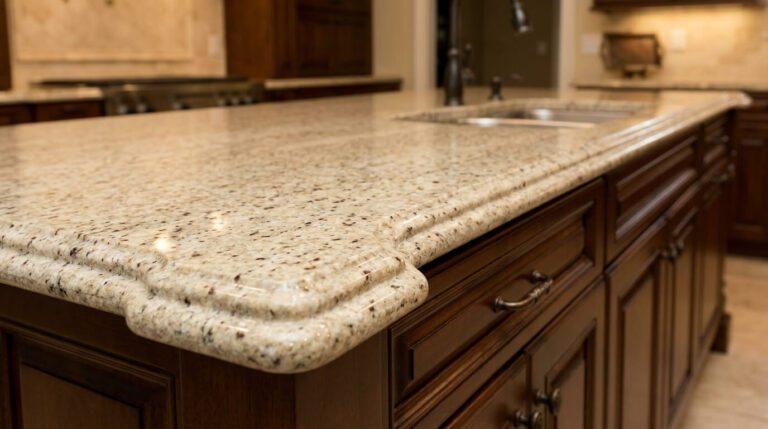
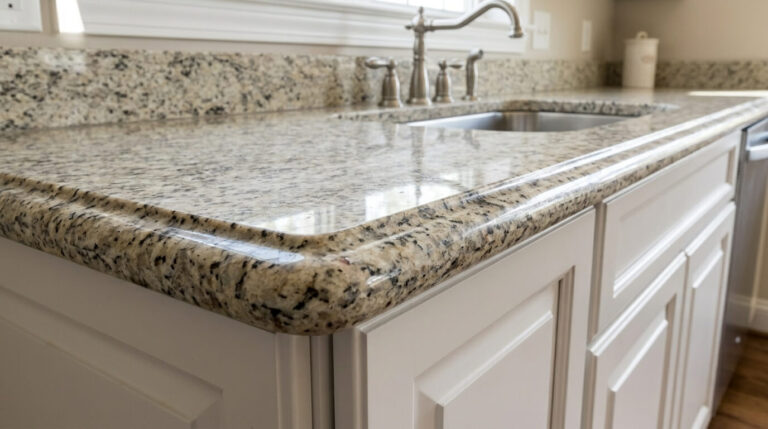
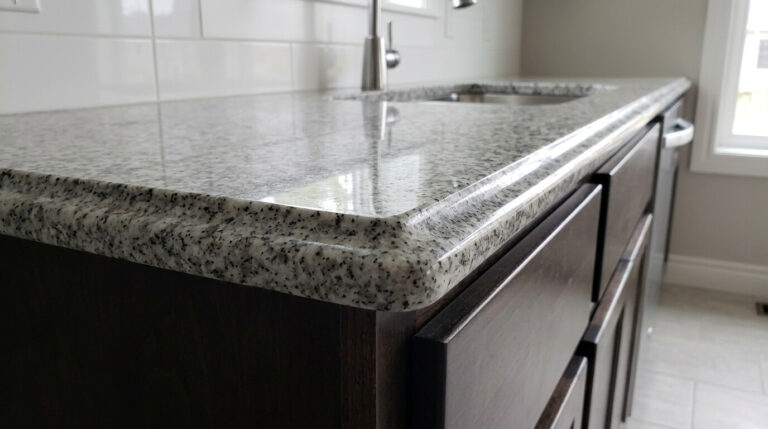
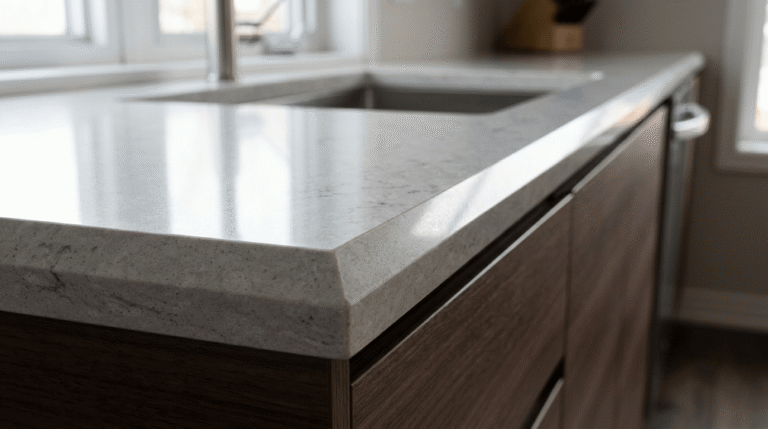
9. Countertop Templating and Installation
Countertop templating is the process of measuring the installed cabinets to create a precise template for cutting the countertop material, followed by fabrication and installation of the finished countertop. Templating occurs after cabinets are installed and leveled, since countertop dimensions must match the exact cabinet layout.
Materials such as natural stone and engineered stone typically require fabrication time after templating, which can take one to three weeks depending on the supplier. Once fabricated, the countertop is installed, seamed if needed, and sealed to the cabinet base.
10. Backsplash, Appliances, and Finishing Touches
This stage covers installation of the backsplash tile, connection of appliances such as the range, dishwasher, and range hood, and completion of finishing touches including cabinet hardware, trim, and touch-up paint. It is the final stage of the construction sequence before the kitchen returns to regular use.
The backsplash is installed after the countertop, since its lower edge is typically set against the countertop surface. Appliances are connected to the rough-in plumbing and electrical lines completed earlier in the process, and finishing touches are addressed last to avoid damage during earlier installation stages.
How to Prepare Your Kitchen for Remodeling
Preparing a kitchen for remodeling involves setting up a temporary kitchen, protecting the rest of the home from dust and debris, and scheduling the project around the household’s daily routine. These preparations reduce disruption during the construction stages described above.
Preparation typically takes place in the days immediately before demolition begins, once the design is finalized and materials are ordered. Completing these steps in advance allows the household to maintain basic routines, such as food storage and meal preparation, throughout the construction period.
Setting Up a Temporary Kitchen
Setting up a temporary kitchen means designating an alternate space, such as a dining room, garage, or basement, with a small refrigerator, microwave, and basic cookware for use during construction. A temporary kitchen allows the household to prepare simple meals without access to the main kitchen.
Essential items for a temporary kitchen typically include a compact refrigerator, a microwave or hot plate, a folding table, and a limited set of dishes and utensils. Placing the temporary kitchen near a water source, such as a bathroom sink, reduces the need to carry water long distances during the project.
Protecting the Rest of Your Home
Protecting the rest of the home means sealing off the construction area with plastic sheeting or temporary doors and covering nearby floors and furniture to limit dust and debris from spreading. Demolition and drywall work in particular generate fine dust that can travel through a home’s HVAC system if not contained.
Contractors typically seal doorways leading from the kitchen to adjoining rooms and may recommend covering HVAC vents in the work area during demolition and drywall stages. Removing rugs, curtains, and nearby furniture from the immediate work zone before construction begins reduces the risk of damage.
Scheduling Around Your Household
Scheduling around the household means coordinating the construction timeline with work schedules, school schedules, and any planned absences from the home. Noisy or disruptive stages, such as demolition and rough-in work, are easier to manage when the household can plan around them in advance.
Households with young children, pets, or members who work from home should confirm which stages of the project will be loudest or most disruptive and consider scheduling those stages during planned time away from the home when possible.
DIY vs. Hiring a Contractor
Homeowners can complete certain kitchen remodel tasks themselves, such as demolition, painting, and hardware installation, while tasks involving plumbing, electrical work, and structural changes typically require a licensed professional. The decision depends on the homeowner’s skill level, the complexity of the task, and local permit requirements.
Local codes often require licensed professionals for plumbing and electrical work regardless of the homeowner’s skill level, since this work is subject to inspection. Tasks outside of licensed trades can be evaluated based on the homeowner’s experience, available time, and tolerance for the risk of rework.
Steps You Can Reasonably DIY
Steps a homeowner can reasonably complete without a contractor include demolition of cabinets and non-structural finishes, painting walls and trim, installing cabinet hardware, and assembling ready-to-install furniture-style cabinets. These tasks generally do not require a license and involve lower risk if a mistake occurs.
Demolition is one of the most commonly self-performed tasks, since it requires physical labor rather than specialized skill, though homeowners should confirm that no plumbing, electrical, or structural elements will be disturbed before starting. Painting and hardware installation are similarly low-risk tasks that do not affect the home’s structural or mechanical systems.
When to Bring in a Professional
A professional should be brought in for any task involving plumbing, electrical wiring, gas lines, load-bearing walls, or work that requires a permit and inspection. These tasks require licensing in most jurisdictions and carry safety and code-compliance risks if performed incorrectly.
Countertop templating and installation, cabinet installation requiring precise leveling, and flooring installation in layouts with moisture-sensitive materials also benefit from professional experience, since errors at these stages are difficult and costly to correct. Homeowners planning a full gut renovation typically need a general contractor to coordinate the sequence of licensed trades.
How Long Does a Kitchen Remodel Take?
A kitchen remodel typically takes a few weeks for a cosmetic refresh and several months for a full gut renovation, with the exact timeline depending on the scope of work, permit approval times, and material lead times. Custom cabinetry and countertop fabrication are common sources of delay, since these materials often require weeks of production time after ordering.
The construction sequence described earlier in this guide adds time incrementally: demolition and structural work typically take one to two weeks, rough-in work and inspections add another one to two weeks, and finishing stages such as flooring, cabinets, countertops, and backsplash can take several additional weeks depending on material availability. Permit approval times vary by municipality and can extend the timeline before construction begins. Homeowners should confirm lead times for custom materials early in the planning process, since these often set the outer boundary of the project schedule.
What Kitchen Remodel Mistakes Should You Avoid?
Common kitchen remodel mistakes include setting a budget without a contingency reserve, finalizing a layout before confirming plumbing and electrical locations, and ordering materials before the design is fully finalized. Avoiding these mistakes reduces the risk of delays and unplanned costs during construction.
- Skipping a contingency reserve: A budget without a reserve for unexpected issues, such as water damage or outdated wiring found during demolition, can force cuts to other categories mid-project.
- Finalizing a layout before confirming utilities: A layout that ignores existing plumbing and electrical locations can significantly increase rough-in costs once a contractor evaluates the actual requirements.
- Ordering materials before the design is final: Cabinets or countertops ordered before all dimensions and specifications are confirmed can arrive incorrect, requiring reorders that extend the timeline.
- Underestimating storage needs: A layout planned around appearance rather than the household’s actual storage habits often results in insufficient cabinet or pantry space after installation.
- Choosing the cheapest contractor bid without verification: A low bid that is not checked against licensing, insurance, and references increases the risk of incomplete or non-code-compliant work.
- Ignoring permit requirements: Completing plumbing, electrical, or structural work without a required permit can create problems when selling the home or if the work fails a later inspection.
- Not planning for a temporary kitchen: Skipping preparation for meal storage and preparation during construction increases daily disruption for the household.
Kitchen Remodel Planning FAQs
How Much Does a Kitchen Remodel Typically Cost?
Kitchen remodel costs vary widely based on the project’s scope, with cosmetic refreshes costing less than full gut renovations. Cabinetry, countertops, and labor typically account for the largest share of the total, so obtaining quotes based on the finalized scope gives the most accurate cost estimate for a specific project.
Do I Need an Architect for a Kitchen Remodel?
An architect is generally needed only when the remodel involves structural changes, such as removing a load-bearing wall or adding square footage to the kitchen. Cosmetic refreshes and layout changes within the existing footprint typically do not require an architect, though a kitchen designer or contractor can still assist with the layout plan.
Can I Live in My Home During a Kitchen Remodel?
Households can typically live in their home during a kitchen remodel by setting up a temporary kitchen and scheduling around the most disruptive construction stages, such as demolition and rough-in work. Full gut renovations that remove access to water or power for extended periods may require temporary arrangements for meals or laundry.
What Should I Do First When Planning a Kitchen Remodel?
The first step in planning a kitchen remodel is setting goals and priorities, since these decisions guide the style, scope, budget, and layout choices that follow. Establishing what the kitchen needs to accomplish before selecting materials prevents later decisions from conflicting with the household’s actual needs.
How Do I Choose a Kitchen Remodeling Contractor?
Choosing a kitchen remodeling contractor involves verifying licensing and insurance, checking references from past projects, and comparing detailed quotes that itemize labor and materials by category. Contractors who provide a written contract with a defined scope of work and payment schedule reduce the risk of disputes during construction.
Is It Cheaper to Reface or Replace Kitchen Cabinets?
Refacing cabinets, which involves replacing doors and drawer fronts while keeping the existing cabinet boxes, is generally less expensive than replacing cabinets entirely, since it requires less material and labor. Refacing works best when the existing cabinet boxes are structurally sound and the layout is not changing.
What Permits Are Needed for a Kitchen Remodel?
Kitchen remodel permits typically depend on whether the project changes plumbing, electrical systems, gas lines, or load-bearing structures. Cosmetic updates that keep existing utilities and walls in place generally do not require a permit, while layout changes and structural work usually require plumbing, electrical, and building permits from the local jurisdiction.