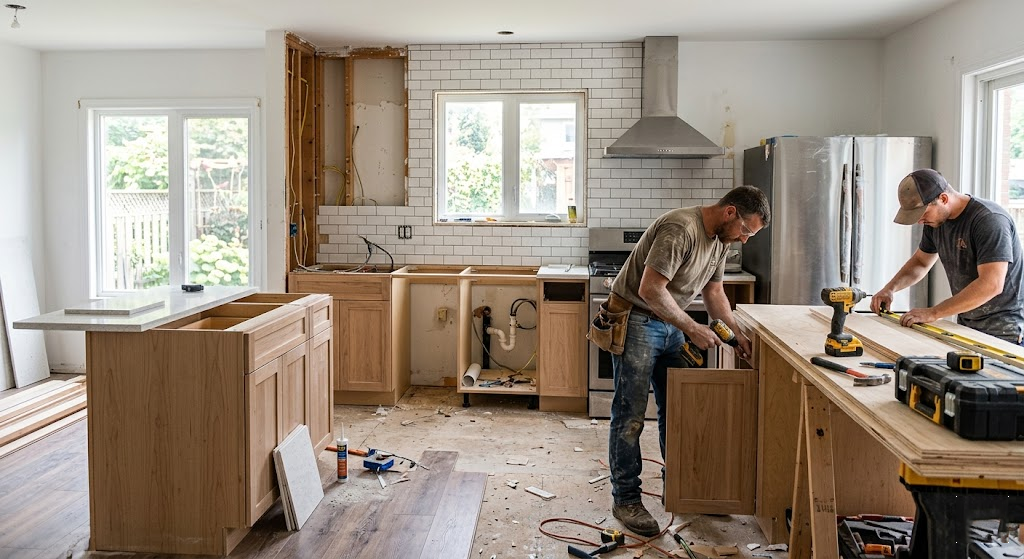
A kitchen remodel takes anywhere from three weeks to six months, depending on the project scope, material availability, and permit requirements. A cosmetic refresh with in-stock materials moves through demolition, installation, and inspection in a matter of weeks. A full gut renovation that repositions plumbing, electrical systems, and structural walls requires additional inspections, custom fabrication, and sequential trade scheduling that extend the project over several months.
The timeline follows a fixed sequence: planning and design, demolition, rough-in work, drywall and painting, flooring, cabinets, countertops, backsplash, appliances, and a final inspection. Each stage depends on the completion of the stage before it, so a delay in one phase shifts every phase that follows.
This article breaks down the average duration of each remodeling stage, identifies the factors that extend or shorten a project, and lists the steps a homeowner takes to prepare a home before construction begins.
How Long Does a Kitchen Remodel Take?
A kitchen remodel takes 6 to 8 weeks on average for a mid-range renovation that keeps the existing layout, and 3 to 6 months for a full gut renovation that changes the floor plan. The exact duration depends on three variables: project scope, material lead times, and permit processing speed.
A cosmetic update — new paint, cabinet fronts, countertops, and appliances without moving plumbing or electrical lines — typically finishes in 2 to 4 weeks. A mid-range remodel that replaces cabinets, countertops, flooring, and some fixtures while keeping the existing layout takes 6 to 8 weeks. A full gut renovation that relocates plumbing, adds electrical circuits, or removes structural walls takes 3 to 6 months, including design approval, permitting, and inspection windows between construction phases.
Kitchen Remodeling Process: Step by Step
A kitchen remodel follows ten sequential stages: planning and design, demolition, plumbing and electrical rough-in, drywall and painting, flooring installation, cabinet installation, countertop installation, backsplash installation, appliance installation, and a final inspection. Each stage must reach completion, and in some cases pass a municipal inspection, before the next trade begins work.
The sequence exists because later installations depend on the surfaces and systems that earlier stages create. Flooring installs before cabinets so the cabinet base sits level on a finished surface. Rough plumbing and electrical work finish before drywall closes the walls, since inspectors need access to the open framing. Skipping or reordering a stage creates rework, failed inspections, and additional cost.
Kitchen Planning and Design
Kitchen planning and design takes 2 to 8 weeks, covering layout decisions, material selection, and contractor scheduling before construction starts. The range depends on whether the homeowner uses a pre-set design package or works with a designer on a custom layout.
During this phase, a homeowner selects a layout, chooses cabinet styles, countertop materials, and appliances, and finalizes a budget with the contractor. Custom cabinetry and structural changes extend the planning phase because they require detailed drawings for permit submission. A homeowner who selects in-stock cabinets and a standard layout can shorten this phase to 2 to 3 weeks.
Kitchen Demolition
Kitchen demolition takes 1 to 3 days for a standard kitchen, covering the removal of cabinets, countertops, flooring, and appliances down to the subfloor and wall studs. A larger kitchen or a remodel that removes structural walls extends demolition to 4 to 5 days.
The crew disconnects and removes appliances first, followed by countertops, cabinets, and flooring. If the project relocates plumbing or electrical lines, the crew also opens the affected wall sections during this stage. Demolition debris requires disposal before the next trade begins rough-in work, which adds half a day to a full day depending on local waste-hauling access.
Plumbing and Electrical Rough-In
Plumbing and electrical rough-in takes 3 to 5 days, covering the installation of water supply lines, drain lines, gas lines, and electrical circuits before the walls close. This stage includes running new lines to a relocated sink, dishwasher, or range, and adding circuits for updated appliances or lighting.
A licensed plumber and electrician complete this work while the wall framing remains open. Most municipalities require an inspection of the rough-in work before drywall installation begins, which adds 1 to 3 days depending on inspector availability. A remodel that keeps existing plumbing and electrical locations skips much of this stage and moves directly to minor updates.
Drywall and Painting
Drywall and painting takes 4 to 7 days, covering wall patching or replacement, taping, sanding, primer, and finish coats. The range depends on the amount of wall surface affected by demolition and rough-in work.
The crew hangs and tapes new drywall sections, then applies joint compound in multiple coats with drying and sanding time between each. Once the walls reach a smooth, uniform surface, the painter applies primer followed by one or two coats of finish paint. Humidity and temperature affect drying time, so this stage can extend by 1 to 2 days in poor ventilation conditions.
Kitchen Flooring Installation
Kitchen flooring installation takes 1 to 3 days for tile, laminate, or engineered wood, and up to 5 days for natural stone or solid hardwood that requires additional leveling and curing time. The subfloor must be clean, level, and dry before installation begins.
The installer prepares the subfloor, lays the flooring material according to the manufacturer’s pattern specifications, and allows adhesive or grout to cure before foot traffic resumes. Tile installations require 24 to 48 hours of grout curing before cabinets can sit on the surface. Floating floor systems, such as laminate or engineered wood, install faster because they skip the adhesive curing step.
Kitchen Cabinet Installation
Kitchen cabinet installation takes 2 to 5 days for in-stock or semi-custom cabinets, and up to 2 weeks for fully custom cabinetry with a longer manufacturing lead time. Installation time depends on kitchen size, cabinet complexity, and whether the layout requires structural modifications to walls or floors.
The installer marks stud locations, sets base cabinets level and secure, then installs upper cabinets and any custom trim or filler pieces. Custom cabinets often arrive 6 to 12 weeks after ordering, which affects the overall project timeline more than the installation itself. In-stock cabinets from a local supplier reduce this lead time to under two weeks.
Countertop Installation
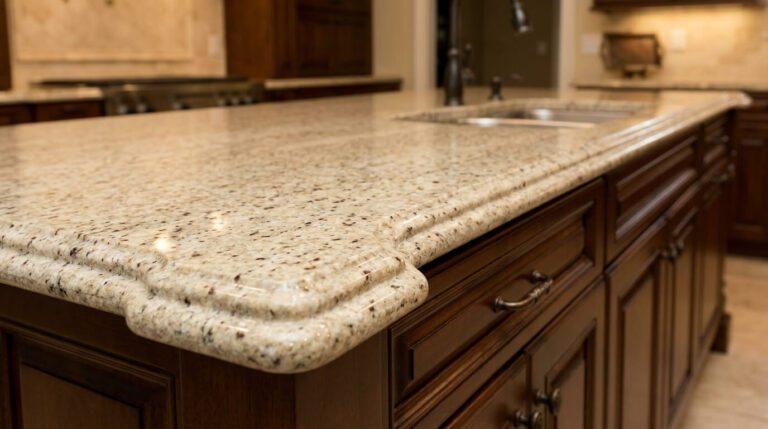
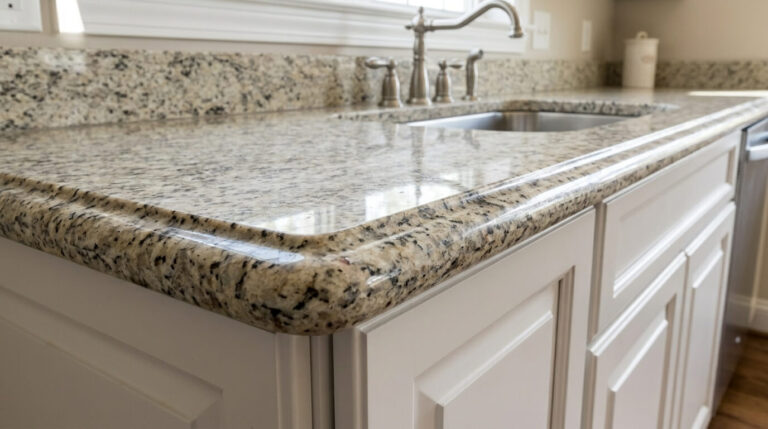
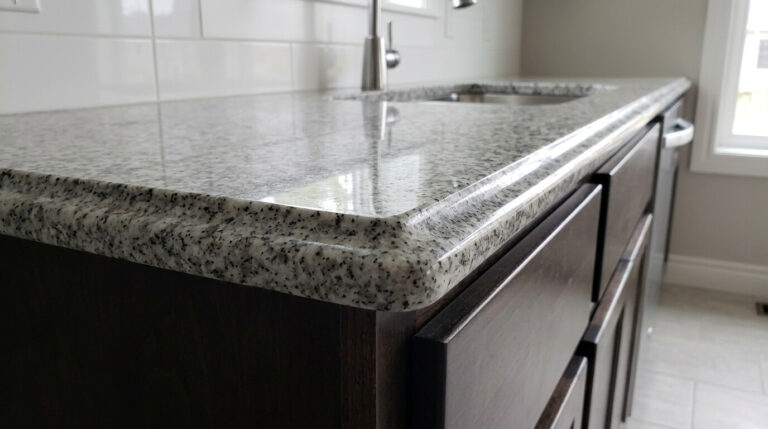
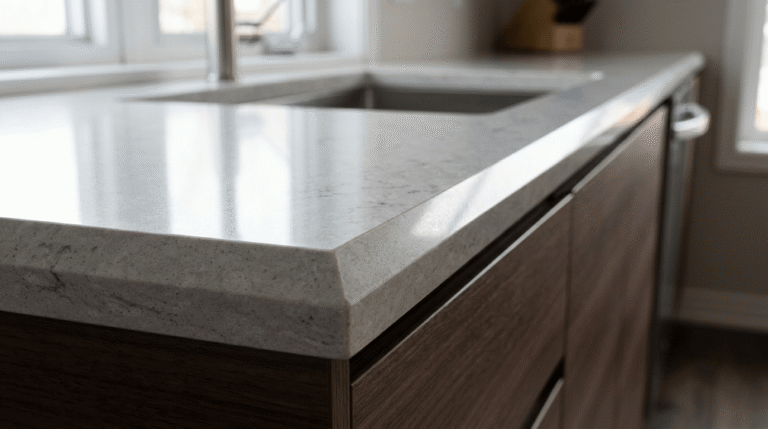
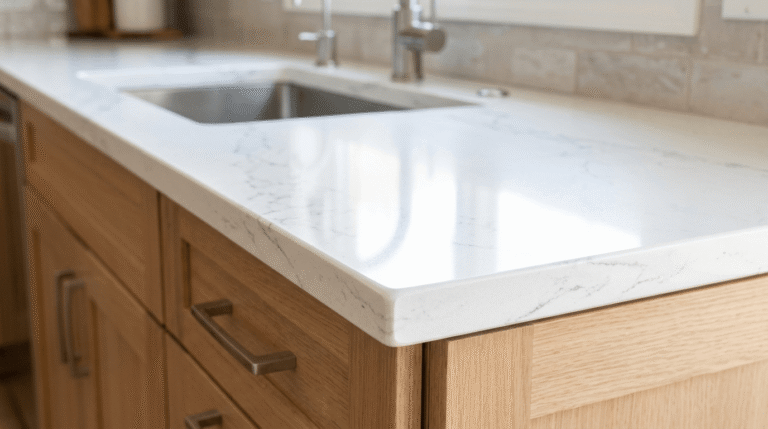
Countertop installation takes 1 to 2 days once the material arrives, following a template measurement taken after cabinet installation. Natural stone and engineered quartz require a separate fabrication step that adds 1 to 3 weeks between measurement and installation.
The fabricator visits the site to take precise measurements after the cabinets are set, then cuts and finishes the countertop material off-site. Laminate countertops skip the fabrication delay because manufacturers produce standard sizes that installers cut and finish on-site. Installation itself, once the material is ready, involves setting the countertop, securing it to the cabinet base, and sealing the seams.
Backsplash Installation
Backsplash installation takes 1 to 3 days, covering surface preparation, tile setting, and grouting. The range depends on tile size, pattern complexity, and whether the design includes a mosaic or custom layout.
The installer applies adhesive to the wall surface, sets the tile according to the chosen pattern, and allows the adhesive to cure before grouting. Grout requires an additional 24 hours to cure before the surface can be sealed and used. Large-format tile installs faster than mosaic or small-format tile because it requires fewer individual placements.
Kitchen Appliance Installation
Kitchen appliance installation takes 1 to 2 days, covering the connection of the range, dishwasher, refrigerator, and range hood to their respective utility lines. This stage occurs after countertops and cabinets are in place so the installer can fit built-in appliances to the finished openings.
The installer connects water lines to the refrigerator and dishwasher, secures gas or electrical connections to the range, and mounts the range hood to the exhaust duct. Built-in appliances, such as wall ovens or integrated refrigerators, require precise cabinet opening dimensions confirmed during the planning phase to avoid installation delays.
Final Kitchen Inspection
The final kitchen inspection takes 1 to 2 hours, and municipalities typically complete it within 1 to 5 business days of scheduling, depending on inspector availability. The inspector reviews the completed plumbing, electrical, and structural work against the approved permit plans.
The inspector checks that all installed systems meet local building code, including outlet placement, GFCI protection near water sources, and proper venting for gas appliances. A failed inspection requires corrections and a follow-up visit, which extends the project by several days to a week depending on the scope of the required fix. A passed inspection closes the permit and completes the remodel.
What Affects a Kitchen Remodel Timeline?
A kitchen remodel timeline changes based on four main factors: the scope of the project, whether materials are custom or in-stock, permit and inspection scheduling, and whether labor is professional or DIY. Each factor can add days, weeks, or months to the baseline schedule described in the step-by-step process above.
These factors interact with each other. A full gut renovation with custom cabinetry and a permit-heavy jurisdiction combines the slowest version of each factor, while a cosmetic refresh with in-stock materials and no permit requirement combines the fastest version of each.
Scope of the Project (Full Gut vs. Cosmetic Refresh)
Project scope is the single largest factor affecting a kitchen remodel timeline, with a cosmetic refresh finishing in 2 to 4 weeks and a full gut renovation taking 3 to 6 months. Scope determines how many trades are involved and how many stages require inspection.
A cosmetic refresh replaces surface elements — cabinet fronts, countertops, backsplash, paint, and appliances — without altering the kitchen’s plumbing, electrical, or structural layout. A full gut renovation removes the kitchen to the studs and subfloor, relocates plumbing and electrical lines, and may remove or add walls. Each additional system change requires its own inspection cycle, which adds time beyond the construction work itself.
Custom vs. In-Stock Materials
Material selection affects the timeline through manufacturing lead time, with in-stock materials available within days and custom materials requiring 6 to 12 weeks of production before installation can begin. Cabinets, countertops, and specialty tile carry the longest lead times among common remodel materials.
In-stock cabinets and countertops come from local suppliers and install within the standard project sequence without added delay. Custom cabinetry, made-to-order countertop slabs, and imported tile require ordering weeks or months in advance of the installation date. A homeowner who orders custom materials after demolition begins risks an idle project while waiting for materials to arrive.
Permit and Inspection Delays
Permit and inspection scheduling can add 1 to 6 weeks to a kitchen remodel timeline, depending on the municipality’s processing speed and inspector availability. Any project that changes plumbing, electrical systems, or structural walls requires a permit before work begins and an inspection before the walls close.
Permit approval time varies by jurisdiction, ranging from same-day approval for minor work to several weeks for projects requiring plan review. Inspection scheduling adds further time, since inspectors work on fixed schedules and a failed inspection requires a follow-up visit. Projects that avoid plumbing, electrical, or structural changes often qualify for a simplified or waived permit process, which removes this delay.
DIY vs. Professional Labor
Labor source affects the timeline through availability and work pace, with professional crews completing installation stages in the durations listed earlier and DIY labor extending those same stages by 2 to 4 times depending on the homeowner’s schedule and skill level. Professional crews work on the project full-time and coordinate trades in sequence, while DIY labor typically progresses during evenings and weekends.
A professional crew completes cabinet installation in 2 to 5 days because the crew works exclusively on that task until it finishes. A homeowner installing the same cabinets alongside a full-time job may need 2 to 3 weekends to complete the same work. DIY labor on plumbing, electrical, and structural work also requires the same permits and inspections as professional labor in most jurisdictions.
How to Prepare Your Home for a Kitchen Renovation?
Preparing a home for a kitchen renovation involves securing a temporary kitchen space, protecting adjacent rooms from dust and debris, and finalizing all material orders before demolition begins. Preparation completed before construction starts prevents delays once the project is underway. Our guide on how to plan a kitchen remodel covers the design and budgeting decisions that precede this preparation stage.
Before a kitchen remodel begins:
- Set up a temporary kitchen. Relocate a microwave, toaster oven, mini refrigerator, and basic cookware to another room for use during construction.
- Confirm all material orders. Verify that cabinets, countertops, flooring, and appliances are ordered and have confirmed delivery dates before demolition starts.
- Seal off the work area. Hang plastic sheeting or temporary doors between the kitchen and adjacent rooms to contain dust.
- Clear a path for debris removal. Remove obstacles between the kitchen and the nearest exterior door to allow the crew to move materials and debris efficiently.
- Shut off utilities as instructed. Coordinate with the contractor to confirm which utilities need to be shut off before demolition and rough-in work.
- Store kitchen items off-site or in a garage. Move dishware, small appliances, and pantry items out of the work zone to prevent damage.
- Confirm parking and access for the crew. Arrange parking near the home and confirm entry access for the days the crew is on-site.
- Notify neighbors of the construction schedule. Share the expected start date and daily working hours if the project involves exterior debris removal or deliveries.
Kitchen Remodel Timeline FAQs
How long does a small kitchen remodel take?
A small kitchen remodel takes 2 to 4 weeks when the project keeps the existing layout and uses in-stock materials. Smaller square footage reduces the time needed for flooring, cabinet, and countertop installation.
Can you speed up a kitchen remodel timeline?
A kitchen remodel timeline can shorten by selecting in-stock materials, avoiding layout changes that require permits, and confirming all material orders before demolition begins. Scheduling professional trades in advance also prevents idle days between stages.
What is the longest phase of a kitchen remodel?
Custom cabinet manufacturing is typically the longest phase of a kitchen remodel, taking 6 to 12 weeks before installation can begin. This lead time often exceeds the combined duration of all on-site construction stages.
Do you need a permit for a kitchen remodel?
A kitchen remodel needs a permit when the project changes plumbing, electrical systems, gas lines, or structural walls. A cosmetic refresh that replaces surface finishes without altering these systems typically does not require a permit, though requirements vary by municipality.
Can you live in your house during a kitchen remodel?
A homeowner can live in the house during a kitchen remodel by setting up a temporary kitchen space and sealing the work area from the rest of the home. Full gut renovations that remove water access for extended periods make daily living more difficult, particularly during rough-in and inspection stages.
How long does it take to get a kitchen remodel permit?
Kitchen remodel permit approval takes anywhere from same-day issuance for minor work to several weeks for projects requiring detailed plan review. Processing time depends on the municipality’s permit office and the complexity of the submitted plans.